
1200mm bathroom mirror
Understanding Slow Closing Check Valves Importance and Applications In various industrial and municipal applications, the management of fluid flow is paramount. One essential component often utilized for this purpose is the slow closing check valve, a mechanism designed to prevent backflow while reducing the potential for hydraulic shock. This article explores the significance and functionality of slow closing check valves, shedding light on their applications and advantages. What is a Slow Closing Check Valve? A slow closing check valve is a type of valve that allows fluid to flow in one direction while preventing reverse flow. Unlike standard check valves that can slam shut quickly, potentially causing water hammer—a sudden pressure surge—slow closing check valves are designed with a mechanism to control the closure speed. This gradual closure helps to minimize turbulence and reduce the stress on the piping system, ultimately enhancing system longevity. Functionality and Design The primary function of a slow closing check valve is to permit fluid flow only in one direction. When the flow is active, the valve remains open, allowing for fluid transmission. Once the flow stops or reverses, the valve closes slowly to prevent backflow. This controlled closure mechanism is often achieved through hydraulic dampening or the use of specialized spring systems that govern the valve's movement. The design of a slow closing check valve typically includes robust materials that withstand high pressures and corrosive conditions . Common materials used in construction include stainless steel, brass, and various thermoplastics, ensuring durability across various environments. Applications of Slow Closing Check Valves Slow closing check valves find applications in multiple sectors, including water treatment plants, HVAC systems, fire protection systems, and industrial processes. Their ability to mitigate water hammer makes them particularly beneficial in large piping systems where sudden pressure changes can lead to significant damage. 1. Water Treatment Facilities In water distribution systems, these valves help maintain consistent pressure levels and prevent contamination from reverse flow, ensuring safe drinking water. slow closing check valve 2. Fire Protection Systems In fire sprinkler systems, slow closing check valves prevent backflow that could compromise the system's integrity, ensuring reliable operation during emergencies. 3. HVAC Systems In heating and cooling applications, they help regulate flow and pressure, contributing to the efficiency of the system and preventing damage from hydraulic shock. 4. Industrial Applications In various manufacturing processes, these valves play a crucial role in maintaining the flow direction, allowing for the safe transport of fluids throughout the production line. Advantages of Slow Closing Check Valves Slow closing check valves offer several advantages over traditional check valves. Their main benefits include - Reduction of Water Hammer The controlled closure minimizes the risk of sudden pressure surges, protecting piping systems from damage and reducing maintenance costs. - Enhanced System Reliability By preventing backflow, these valves ensure that systems function smoothly and efficiently, reducing the likelihood of disruptions. - Longevity The high-quality materials and thoughtful design contribute to the valve's durability, providing a long service life and reducing the need for frequent replacements. In conclusion, slow closing check valves are crucial components in various fluid management systems. Their ability to prevent backflow while mitigating hydraulic shock makes them indispensable in industries ranging from municipal water systems to industrial manufacturing. Investing in high-quality slow closing check valves is essential for ensuring reliable and efficient operation, ultimately contributing to the safety and longevity of fluid systems.
about
1200mm bathroom mirror
Understanding Butterfly Valve Companies Innovations and Industry Standards In the realm of industrial applications, butterfly valves play a crucial role in controlling the flow of liquids and gases through pipes. These valves, characterized by a rotating disc that regulates flow, are favored for their lightweight design, compact size, and cost-effectiveness. As industries continue to evolve, the demand for efficient and reliable butterfly valves has spurred a wave of innovation among butterfly valve companies. This article examines the key features that define these companies, the technological advancements they bring to the table, and the standards they uphold to ensure quality and safety. Key Features of Butterfly Valve Companies Butterfly valve companies typically distinguish themselves through various key features that reflect their commitment to excellence. One of the foremost characteristics is their range of product offerings. Leading companies provide a wide variety of butterfly valves, including high-performance, resilient seated, and metal seated valves, catering to diverse industries such as water treatment, chemical processing, and HVAC systems. Moreover, these companies often prioritize customization, understanding that different applications require specific valve configurations. Many butterfly valve manufacturers offer tailored solutions, enabling clients to select from various materials, sizes, and actuation methods. This adaptability ensures that customers receive valves that meet their operational needs while adhering to industry regulations. Innovations in Design and Technology As technology advances, butterfly valve companies are embracing innovative designs and materials to enhance performance and reliability. For instance, the integration of advanced sealing technologies has improved the longevity and leak-proof capabilities of butterfly valves. Companies are now utilizing high-performance elastomers and metal seals to withstand extreme conditions while ensuring minimal leakage. butterfly valve company Moreover, the trend towards automation in valve operation is reshaping the industry. Many butterfly valve manufacturers are incorporating smart technologies, enabling remote operation and real-time monitoring. By integrating Internet of Things (IoT) capabilities, companies allow users to track flow rates and detect potential issues before they escalate, thereby optimizing maintenance schedules and reducing downtime. Digital twin technology is another innovative advancement being adopted by butterfly valve companies. This technology allows for the creation of virtual replicas of physical butterfly valves, enabling predictive maintenance and enhanced design processes. By simulating performance under various conditions, manufacturers can fine-tune their products for maximum efficiency and reliability. Commitment to Industry Standards Butterfly valve companies are also distinguished by their adherence to international industry standards. Ensuring compliance with certifications such as ISO 9001 for quality management systems and ASME for pressure vessel design is essential for these companies. Such standards establish a framework that guarantees the manufacturing processes are consistent, reliable, and of high quality. Furthermore, safety is a paramount concern in industries relying on butterfly valves. Companies often conduct rigorous testing, including pressure tests and operational assessments, to ensure their products can withstand the rigors of industrial environments. By providing valves that meet stringent safety standards, manufacturers help industries operate more securely and efficiently. Conclusion In summary, butterfly valve companies are at the forefront of innovation and quality in the valve manufacturing industry. Through a comprehensive range of products, commitment to customization, and incorporation of advanced technologies, these companies play a vital role in ensuring that various industries can effectively manage fluid and gas flow. Their adherence to rigorous industry standards further underscores their dedication to safety and reliability. As industries continue to evolve, butterfly valve companies must remain agile—innovating and adapting to meet the changing demands of a dynamic market. This commitment to excellence will ensure that they remain key players in the global industrial landscape, providing essential solutions for years to come.
-

High quality industrial productsagement

High quality industrial products
View Details -

Meet the diverse needs of customers

Meet the diverse needs of customers
View Details -

Strict quality control

Strict quality control
View Details -

Top raw materials

Top raw materials
View Details -

Trusted supplier

Trusted supplier
View Details
Our application

news and information
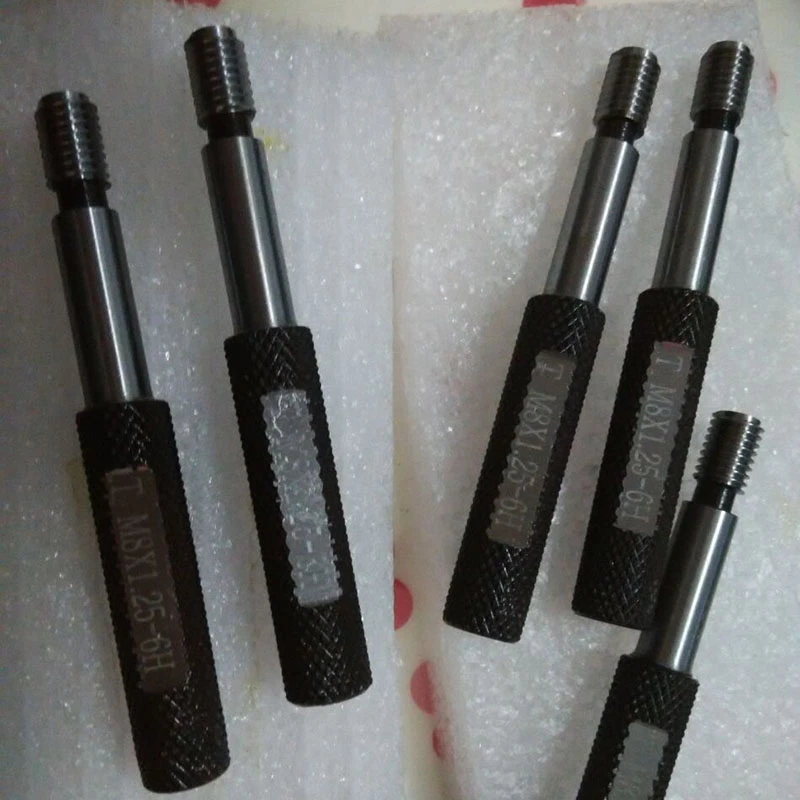
water hose shut off valve
Understanding Water Hose Shut Off Valves A Gardener's Best Friend When it comes to gardening and out
Various Types of Non-Return Valves and Their Applications in Fluid Control
Understanding Non-Return Valve Types Non-return valves, also known as check valves, play a crucial r
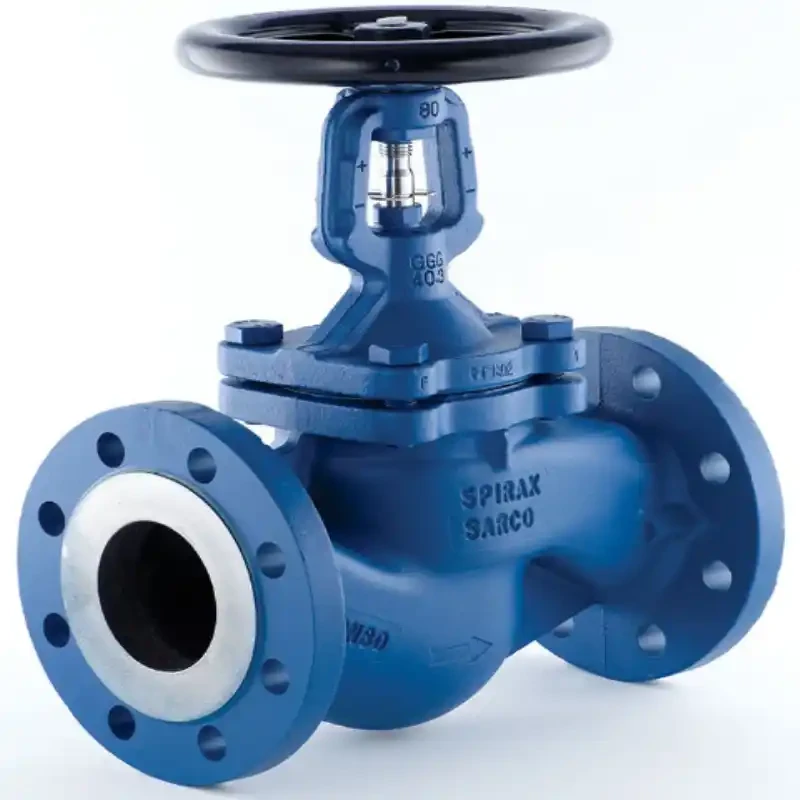
Valve Solutions for Industrial Applications _ Precision Engineering & Innovation
The Evolution of Valve Technology in Modern Industries In recent years, valve technology has become
 English